

Our site uses cookies. By clicking on accept you agree with our voorwaarden and privacy policy.
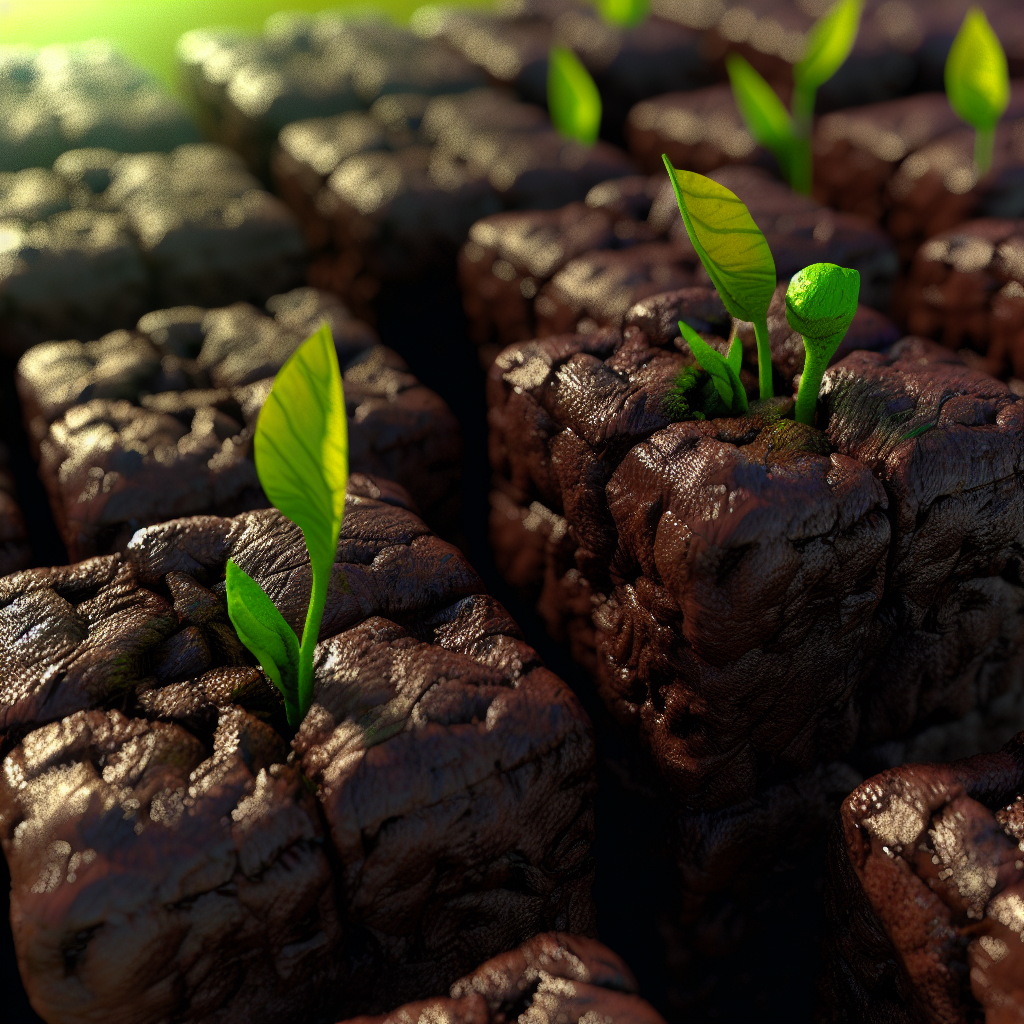
 Soil blocking is a fantastic way to grow stronger seedlings with less "transplant shock" because the roots are air-pruned rather than circling a plastic pot.
Before you get started, gather these essential supplies to ensure your soil blocks are sturdy and nutrient-rich:
Soil Blocker Tool: The most common size for starting seeds is the 2-inch "Multi-Bar" blocker, which creates four blocks at once.
High-Quality Blocking Mix: Standard potting soil won't hold its shape. Look for a dedicated "Soil Block Mix" or make your own using:
Peat Moss or Coconut Coir (for structure)
Finished Compost (for nutrients)
Perlite or Vermiculite (for aeration)
Greensand or Rock Powder (optional, for mineral density)
Large Mixing Tub: You’ll need plenty of space to thoroughly hydrate your soil mix until it reaches that "wet oatmeal" consistency.
Flat Trays (No Holes): Since you'll be watering from the bottom, you need sturdy trays without drainage holes to hold the water.
Warm Water: Using warm water helps the peat or coir hydrate faster and more evenly than cold water.
Seeds: Have your seeds ready to go! This is a great time to start your Firefly Petunias or other spring favorites.
Seedling Heat Mat (Optional): Highly recommended if you are starting heat-loving crops like peppers or tomatoes in a cool greenhouse.
Prepare Your Mix: Use a specific soil blocking recipe (usually a mix of peat or coconut coir, compost, perlite, and a bit of garden lime). The mix needs to be much wetter than standard potting soil—aim for the consistency of wet oatmeal or a soggy sponge.
Load the Blocker: Push your soil blocker into the mix repeatedly. You want to pack the soil into the blocks as tightly as possible. If they aren't packed well, they will crumble when you release them.
Release the Blocks: Place the blocker into a flat tray (without drainage holes is best) and squeeze the handle to release the blocks. You should see a small "dimple" or indentation in the top of each block for your seed.
Sow Your Seeds: Place 1–2 seeds into the dimple of each block. Depending on the seed type, you can leave them exposed or lightly dust them with a little extra fine soil or vermiculite.
Water from the Bottom: Never water soil blocks from the top, as the force of the water will break them apart. Pour water into the corner of the tray and let the blocks wick up the moisture from the bottom.
Maintain Moisture: Because soil blocks have more surface area exposed to the air, they can dry out faster than plastic pots. Check them daily to ensure the bottom of the tray stays slightly damp.
Back to the 2026 Greenhouse Seed Starting Guide
Our site uses cookies. By clicking on accept you agree with our voorwaarden and privacy policy.